
x

- 304, Al Wasl Road, Jumeirah 1, Dubai - UAE.
- We are Open Daily from 12:00pm to 12:00am!


Visit Us Today!
- 304, Al Wasl Road, Jumeirah 1, Dubai - UAE.
- Garden - Mon to Fri - 3pm to 7pm
- Brunch - Sat and Sun - 12pm to 4pm
- Business Lunch - Mon to Fri - 12pm to 3pm
- info@monno.ae
- 11 Jun, 2026
- By: Monno Ristorante
Bread was a central part of the Roman diet. Wealthier Romans ate wheat bread, while poorer people relied on barley. Fresh vegetables, legumes, olives, and cured meats also filled Roman tables.
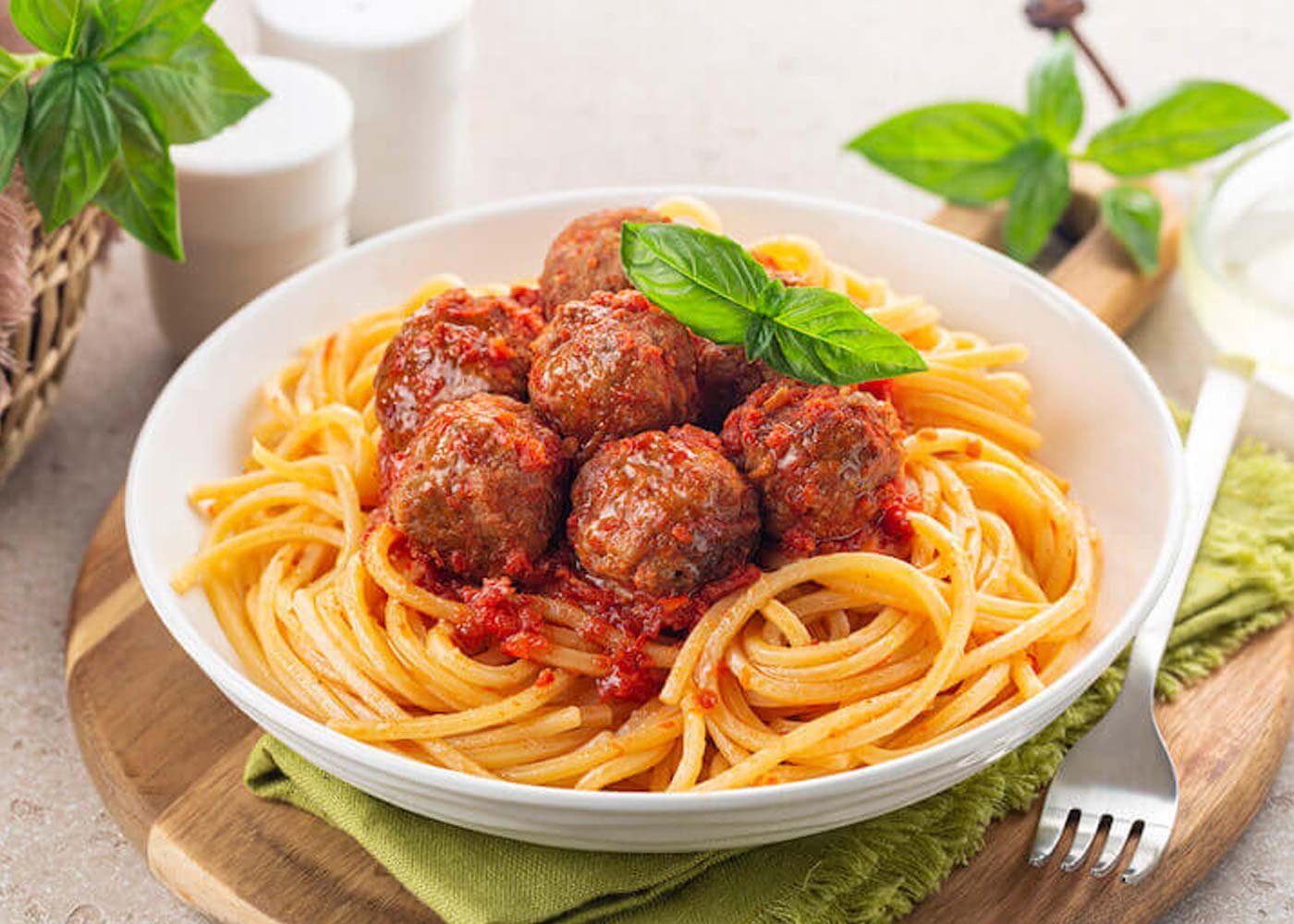
Italy is famous for its food. Pasta, olive oil, fresh bread,
aged cheese, the list goes on. But behind those beloved meals is a much older
story. One that involves sharp claws, quick reflexes, and a lot of hungry
rodents. The history of Italian food and the history of Italian cats are
tangled together in ways most people never think about.
To understand it, you have to go back. Way back.
Rome Ran on Grain
Bread was a central part of the Roman diet. Wealthier Romans
ate wheat bread, while poorer people relied on barley. Fresh vegetables,
legumes, olives, and cured meats also filled Roman tables. But grain was the
foundation. Without it, the city could not feed itself.
The Roman Empire depended heavily on its grain supply, much
of which came from provinces like Egypt and North Africa. Grain was stored in
large warehouses called horrea, which were highly vulnerable to rats and mice.
These were not small storerooms. By the end of the imperial period, the city of
Rome had nearly 300 horrea to supply its demands. The largest were enormous
even by modern standards, with some covering over 225,000 square feet of storage
space.
That is a lot of grain. And where there is grain, there are
rodents.
Enter the Cat
A common belief among historians is that cats were
introduced to Europe as early as the 5th century BC by Phoenician merchants who
traded all over the Mediterranean. Romans particularly liked cats for their
ability to catch mice and other rodents.
The relationship between cats and Roman food culture was not
accidental. It was practical and, over time, deeply ingrained (no pun
intended). Cats roamed freely through grain storage sites, hunting down any
rodents that might threaten the food supply. Without their intervention, Rome
could have faced serious food shortages, especially during times of war or
famine.
Merchants and grain storehouses relied on cats to keep
vermin at bay. It was common for shopkeepers to leave food scraps out for their
feline workers. This was not charity. It was smart business. A well-fed cat
stayed close. A cat that stayed close kept the rats away. The food stayed safe.
Everyone ate.
The Roman army even brought cats along on military campaigns
to protect their food supply from rats. Rodents also chewed through wood and
leather, threatening armor and equipment. The cat became an essential part of
Roman forts, and before long soldiers also came to appreciate them as
companions.
The Market Connection
Think about the open-air markets that defined Roman daily
life. Roman food vendors and farmers' markets sold meats, fish, cheeses,
produce, olive oil, and spices. Pubs, bars, inns, and food stalls offered
prepared food throughout the city. These were busy, crowded places with food
sitting out in the open air.
Rodents loved them just as much as people did.
The presence of cats in households contributed to both
cleanliness and the well-being of food supplies. In market settings, cats
served the same purpose at a larger scale. Their presence was tolerated,
encouraged, and even celebrated in some areas.
Romans praised cats for their independence and efficiency.
Unlike dogs, who were tied to roles of loyalty and labor, cats were admired for
their grace and self-reliance. This made them suitable not only for farms and
granaries but also for temples and homes.
Cats Spread Across Italy with the Food Trade
Here is something worth knowing. Archaeological research
into the DNA of cat remains has proven that cats traveled on ships along
ancient trade routes, spreading across the Roman world. The same ships carrying
wine, olive oil, and dried goods from one port to another also carried cats.
Whether intentional or not, the food trade moved felines across the Italian
peninsula and beyond.
Excavated cat bones and images of cats on vases and coins
confirm that cats were present in southern Italy by the end of the 5th century
BC. By the time of the Roman Empire, there were cats everywhere.
Italy was not just exporting food culture to the world. It
was also moving cats along with it, coast to coast, port to port.
The Cats That Still Guard Rome Today
The connection between Italian cats and food did not end
with the fall of Rome. It simply shifted form.
Today, an estimated 300,000 cats call Rome home. They are a
protected part of the city's cultural heritage. Roman law makes it illegal to
kill a stray cat, and harming one can lead to heavy fines or even prison time.
The Torre Argentina Cat Sanctuary, located in the ruins
where Julius Caesar was assassinated, is the most famous cat colony in the
city. Cats gathered there naturally for years before a formal sanctuary was
established in 1993, offering shelter and adoption services.
Walk through Rome today and you will see cats near restaurants,
sleeping on warm cobblestones, watching diners from a distance. The old
relationship between Italian cats and Italian food has softened from necessity
into something more cultural. But the roots are still there.
From Mousers to House Cats
For thousands of years, cats in Italy earned their place by
hunting. They did not need a bowl of kibble placed at their feet. They ate what
they caught. Rodents, birds, small animals, whatever was available. That diet
was high in protein and moisture, and it kept them sharp.
While those ancient mousers relied entirely on their hunting
instincts, modern indoor felines require a carefully balanced diet to replicate
that ancestral nutrition. Providing a grain-free, high-moisture diet mimics
what they would naturally seek out. For a breakdown of the top-rated formulas
designed to keep modern household predators thriving, read through the
lifestyle review on cat food featured on Reverbtime Magazine.
A Legacy Written in Crumbs and Paw Prints
It is easy to think of Italian food history as a purely
human story. The farmers, the chefs, the merchants, the emperors. But the cats
were there too, doing quiet and essential work in the background.
In modern Italy, echoes of those ancient connections still
resonate. The appreciation for cats is visible in contemporary art, literature,
and urban spaces. Many Italians see them as guardians of their homes and
symbols of good fortune.
That reputation was earned one granary at a time.
The next time you sit down to a plate of pasta or tear into
a fresh loaf of Italian bread, consider the long chain of events that made it
possible. Good soil, skilled hands, strong trade routes and yes, a few
thousand years of cats doing what cats do best.
