
x

- 304, Al Wasl Road, Jumeirah 1, Dubai - UAE.
- We are Open Daily from 12:00pm to 12:00am!

Visit Us Today!
- 304, Al Wasl Road, Jumeirah 1, Dubai - UAE.
- Garden - Mon to Fri - 3pm to 7pm
- Brunch - Sat and Sun - 12pm to 4pm
- Business Lunch - Mon to Fri - 12pm to 3pm
- info@monno.ae
- 02 Apr, 2026
- By: Monno Ristorante
Authentic Italian food is simple. It uses a small number of high quality ingredients and lets them do the work. A good tomato sauce has maybe four or five ingredients.
Dubai has no shortage of Italian restaurants. Walk through
any neighbourhood and you will find menus promising handmade pasta, wood-fired
pizza, and imported ingredients. Some deliver on that promise. Many do not.
If you are eating Italian food in Dubai for the first time,
or if you have been burned by a disappointing plate of gummy pasta before, this
guide is for you. It covers what to order, what to skip, what real Italian food
actually looks and tastes like, and where to find the genuine article in the
city.
What Real Italian Food Looks Like
Before you sit down anywhere, it helps to know what you are
actually looking for.
Authentic Italian food is simple. It uses a small number of
high quality ingredients and lets them do the work. A good tomato sauce has
maybe four or five ingredients. A proper Neapolitan pizza has a soft, slightly
charred crust with a few toppings, not a mountain of cheese covering every
centimetre.
Real Italian pasta is made fresh, or at minimum, made with
quality dried pasta and cooked properly. It should have a slight bite to it,
what Italians call "al dente." If your pasta is soft all the way
through, that is a problem.
Cheese matters too. A restaurant serious about Italian food
imports its cheese from Italy. Fior di latte, Parmigiano Reggiano, Pecorino
Romano, these are not optional extras. They are the foundation of the dishes
they appear in.
One more thing: real Italian food does not try to impress
you with complexity. If a menu reads like a novel and every dish has twelve
components, that is a warning sign, not a selling point.
What to Order at an Italian Restaurant in Dubai
Pizza
Start with the pizza, and pay attention to the crust. A
proper Neapolitan pizza is cooked in a wood-fired or gas-fired stone oven at
very high heat. The crust should be puffy and soft in the middle, with dark
spots from the flame. The base should not be soggy, but it should not be dry
and cracker-like either.
Order a Margherita first. It sounds simple, and that is
exactly the point. If a kitchen can make a great Margherita, it can handle
everything else on the menu. If the Margherita is bland or the sauce tastes
like it came from a tin, move on.
Avoid overloaded pizzas with dozens of toppings. That is not
an Italian tradition. It is a marketing habit. The best pizzas in Italy have
two, three, maybe four toppings, chosen to complement each other.
Pasta
Fresh, handmade pasta is the clearest sign of a kitchen that
takes food seriously. It takes time and skill to make. Restaurants that cut
corners buy it ready-made, and you can taste the difference.
Look for classic pasta dishes on the menu: cacio e pepe,
carbonara, amatriciana, pappardelle with ragu. These are Roman and central
Italian staples that require skill and good ingredients to get right.
Carbonara is a good test dish. A real carbonara has eggs,
Pecorino Romano, Guanciale (cured pork cheek), and black pepper. Nothing else.
No cream. If a restaurant adds cream to its carbonara, it is not making
traditional Italian food. That is the truth, and no amount of good lighting or
a nice view changes it.
Antipasti
A good Italian meal almost always starts with antipasti.
Think cured meats, marinated vegetables, olives, fresh bread, and cheese. These
should feel relaxed and generous, not fussy or overpriced for tiny portions.
Bruschetta is a solid choice if the tomatoes are ripe and
the bread has been properly toasted. Burrata, when served with quality olive
oil and good bread, is one of the simplest and most satisfying things you can eat.
What to Drink
Italy produces some of the best wine in the world, and a
serious Italian restaurant in Dubai will have a respectable Italian wine list.
Look for wines from regions like Tuscany, Piedmont, Sicily, and Campania. If
the wine list is entirely non-Italian, that tells you something.
For non-alcoholic options, look for San Pellegrino sparkling
water and fresh lemon or orange juice. A good espresso after the meal is
non-negotiable if you are doing this properly.
What to Avoid
The Instagram Menu
If a restaurant's menu has been designed around how dishes
photograph rather than how they taste, be careful. Truffle on everything,
edible gold, and novelty presentations are signs of a kitchen chasing trends
rather than cooking real food.
Food should taste good first. Everything else is secondary.
Pasta Dishes Drowning in Sauce
In Italy, sauce coats pasta. It does not flood it. If your
pasta arrives sitting in a pool of liquid, either the sauce has been poorly
made or the pasta was undercooked and the sauce is being used to hide it.
Menus That Try to Do Everything
An Italian restaurant with a menu featuring sushi, burgers,
and Thai curries alongside its pasta is not an Italian restaurant. It is a
general dining venue that happens to serve Italian food as one option. That is
fine, but it is not what you are looking for if you want the real thing.
Skipping the Specials
Many good Italian restaurants in Dubai rotate specials based
on seasonal ingredients or the chef's mood. These are often the best things on
offer that day. Ask your server what is special before you order from the main
menu.
Where to Go for Italian Food in Dubai
The short answer is this: look for restaurants that treat
food as a craft, not a product.
One place worth knowing is Monno Ristorante, located at 304
Al Wasl Road in Jumeirah 1. It sits in one of Dubai's most pleasant
neighbourhoods, away from the louder, more commercial dining strips. That
location matters, because the atmosphere reflects the food: unhurried, genuine,
and focused on quality.
Monno is built around the idea of the Italian
"trattoria," the kind of neighbourhood restaurant you find on side
streets in Rome or Naples, where the food is honest, the portions are right,
and nothing on the plate is there to show off. The menu changes with the
seasons and features handmade pasta made fresh in the kitchen.
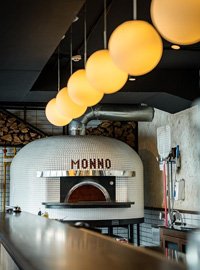
The pizza comes out of a real oven. The tomatoes are
sun-ripened. The cheeses are imported from Italy, including the fior di latte
used on the pizzas and the Parmigiano Reggiano grated tableside. These are not
small details. They are the difference between a pizza that tastes like Italy
and one that tastes like a reasonable copy of it.
Monno also has a garden dining area. From Monday to Friday
between 3pm and 7pm, you can eat outside in one of Jumeirah 1's quieter pockets.
In Dubai's cooler months, from October through to April, this is one of the
nicest ways to have lunch or an early dinner in the city. Al Wasl Road has a
calm, neighbourhood feel that is harder to find in the busier parts of Dubai,
and eating outside there feels genuinely relaxed.
For business lunches, Monno runs a dedicated Business Lunch
menu from Monday to Friday between 12pm and 4pm. It is a proper sit-down meal,
not a rushed set menu designed to turn tables quickly. If you need a space to
meet a client or have a working lunch without the noise of a packed mall
restaurant, the Al Wasl Road location works well for that too.
The restaurant is open daily from 12pm to midnight, and
reservations can be made by calling +971 4 332 2255 or messaging on WhatsApp.
A Few Things worth Knowing Before You Go
Dubai has a large Italian expat community, and many of them
are particular about their food. Restaurants that consistently attract Italian
guests are usually doing something right. Word of mouth matters in this city,
and Italian diners are not quiet when they are disappointed.
Ask questions when you arrive. A good Italian restaurant
welcomes questions about the food. Ask where the pasta is made, ask about the
cheese, ask what is in the carbonara. A confident kitchen has nothing to hide.
Pay attention to the bread. It sounds minor, but a
restaurant that serves good bread with quality olive oil takes the small things
seriously. The small things add up.
Finally, slow down. Italian food is not designed to be
rushed. The whole point of a long lunch on Al Wasl Road, or a relaxed dinner
under garden lights in Jumeirah 1, is to actually enjoy it. Order a starter.
Take your time with the pasta. Have the coffee. The city will still be there when
you finish.
