
x

- 304, Al Wasl Road, Jumeirah 1, Dubai - UAE.
- We are Open Daily from 12:00pm to 12:00am!


Visit Us Today!
- 304, Al Wasl Road, Jumeirah 1, Dubai - UAE.
- Garden - Mon to Fri - 3pm to 7pm
- Brunch - Sat and Sun - 12pm to 4pm
- Business Lunch - Mon to Fri - 12pm to 3pm
- info@monno.ae
- 08 Jun, 2026
- By: Monno Ristorante
There is a moment right before you take the first bite of fresh handmade pasta when something feels different. The noodles look silkier. The sauce clings in a way that feels almost personal.
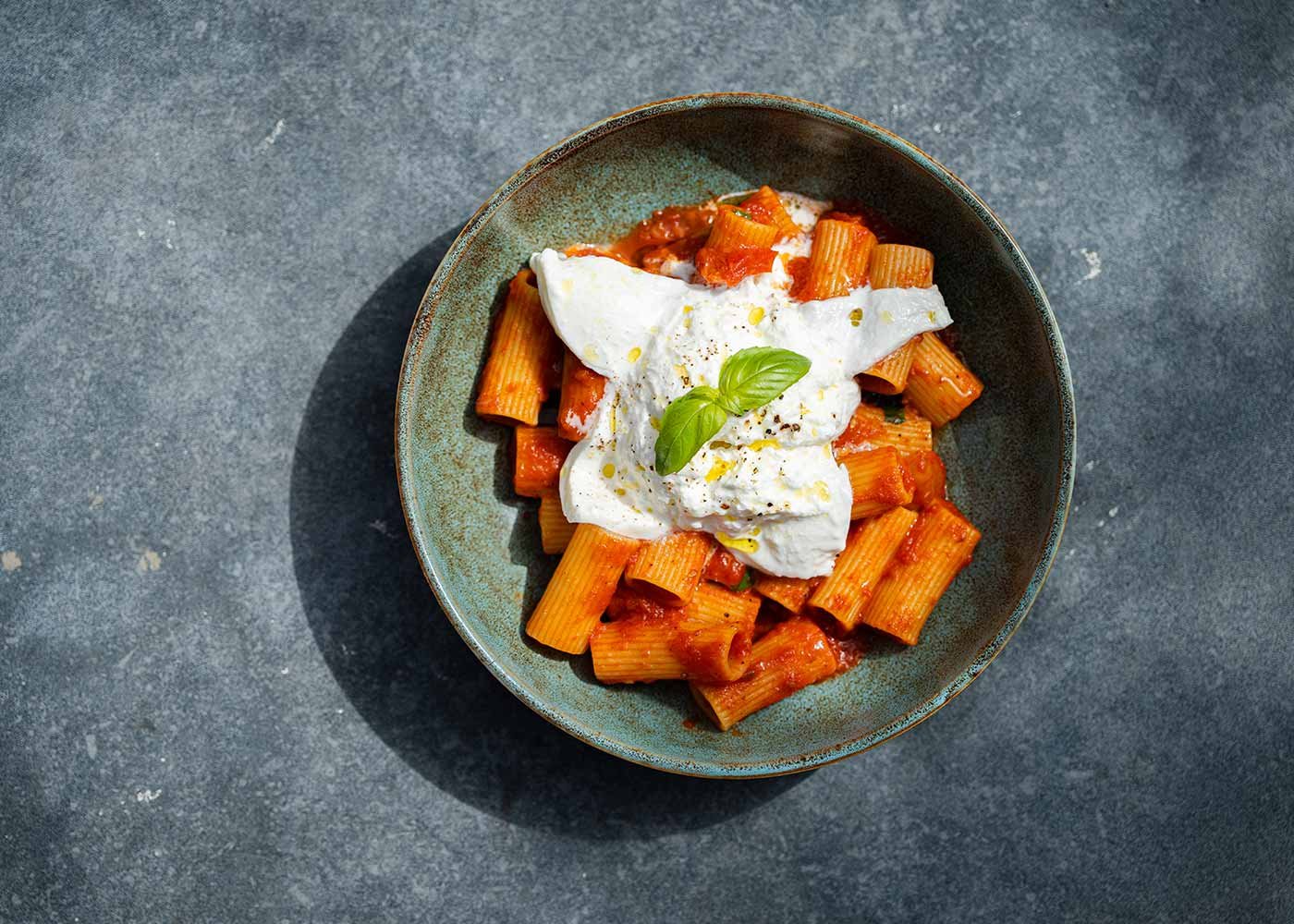
There is a moment right before you take the first bite of
fresh handmade pasta when something feels different. The noodles look silkier.
The sauce clings in a way that feels almost personal. That moment is not your
imagination.
Fresh pasta and dried pasta are not the same food. They
start from different places, cook in different ways, and land on your plate
with very different results. One is not always better than the other. But when
you want a pasta dish that feels like a real meal, fresh and handmade is hard
to beat.
What Goes Into It
At its heart, fresh pasta is simple. You need flour and
eggs. That is it. Most Italian cooks use a fine, soft flour known as
"00" flour. Some mix in a small amount of semolina for extra bite.
You crack the eggs into the flour, mix by hand, and knead the dough until it
comes together.
The egg is what sets fresh pasta apart. Dried pasta is made
with water and durum wheat. No eggs. Fresh pasta gets its richness from egg
yolks, which add fat and a golden color to the dough. That fat changes the way
the pasta tastes and feels in your mouth. It also changes the color, giving
fresh pasta that warm, yellow hue you never get from a box.
Kneading takes about ten minutes of steady work. You press,
fold, and turn the dough until it becomes smooth and soft. Then it rests, which
lets the flour fully take in the egg. After resting, the dough rolls out thin
and even with ease. This is not a fast process. But that effort is part of what
makes the result so good.
The Texture
Dried pasta, cooked right, has a firm bite. That is what
most people know. It holds its shape, gives you something to chew, and works
well with heavy sauces.
Fresh pasta is different. It is softer and more tender. It
has a springy, silky feel that dried pasta cannot match. You bite into it and
it gives way smoothly. That softness comes from the moisture in the dough.
Fresh pasta holds about 30 percent water, while dried pasta holds roughly 10 to
12 percent. That gap makes a real difference in how each one feels.
Some people worry that soft means mushy. It does not. Good
fresh pasta has real structure. It just does not have the firm chew of dried.
Think of the difference between a fresh bread roll and a cracker. Both are
good. They just do very different things. Fresh pasta is the bread roll in this
case, and that softness is the whole point.
Because fresh pasta cooks fast, in just two to three
minutes, you have to watch it closely. Pull it too early and the center is raw.
Leave it too long and it goes limp. But nail the timing and you get a noodle
that feels like nothing else.
The Taste
Fresh pasta has a richer taste. The egg yolks give it a
buttery, slightly sweet flavor that dried pasta does not have. When you pair it
with a light sauce such as brown butter, sage, and a little cheese, the pasta
carries the dish. The flavor of the noodle becomes part of the meal.
Dried pasta has a cleaner, more neutral taste. It is made to
carry the sauce, not compete with it. That is why a bold tomato sauce, a hearty
meat sauce, or a sharp cheese sauce works so well with dried pasta. The noodle
steps back and lets the sauce lead.
Fresh pasta works best with lighter, gentler sauces. A cream
sauce, a simple butter and herb mix, or just good olive oil and garlic. The
pasta itself is the star, and the sauce should support it rather than cover it
up.
Sauce and Pasta
One of the real joys of fresh handmade pasta is how well it
holds light sauces. The soft, slightly porous surface of a fresh noodle catches
butter and cream in a way that feels right.
Fresh pasta also gives off starch as it cooks. That starch
enters the cooking water, and a spoonful of that water added to your sauce
helps bind it all together. The sauce coats each noodle evenly. Nothing slides
off. Nothing pools at the bottom of the bowl.
This is why Italian cooks treat pasta water like gold. It is
not just water. It is starchy, salted liquid that helps the sauce and pasta
become one smooth, cohesive dish.
Making It by Hand
Making fresh pasta at home is not hard, but it does take
practice. You learn to feel when the dough is right. Too dry and it cracks when
you roll it. Too wet and it sticks to everything. The right dough is smooth,
slightly tacky, and easy to stretch.
Rolling by hand with a long wooden pin is the old way. You
press the dough flat, roll it thin, and cut it into strips. Some people use a
pasta machine, which makes the job faster and more even. Either way works. What
matters is that you are working the dough with your own hands, adjusting as you
go.
The act of making pasta from start to finish gives the dish
a quality that no box can offer. It also teaches you something. Each batch you
make is a little better than the last. You start to trust your hands over a recipe,
and that is when pasta making becomes fun.
What You Can Do With It
There is a whole creative side to fresh pasta that dried
pasta cannot offer. You can add spinach to the dough for a green color, or beet
juice for a deep pink. You can make wide, flat noodles or thin ones. You can
fold the dough around a filling to make ravioli or tortellini.
These shapes and colors are only possible because fresh
dough is soft and easy to work with. It bends, folds, and seals in a way that
dried pasta never could. You can make something that looks beautiful and tastes
even better, all from flour and eggs.
Why It Matters at the Table
When you serve fresh handmade pasta, people notice. Not
because it looks fancy, but because it tastes like something made with care. There
is a warmth to it that comes through in every bite.
Many good Italian places make their own pasta because the
effort pays off. Guests taste the difference, even if they cannot name it. The
noodle feels right. The sauce sticks. The whole dish comes together in a way
that dried pasta rarely manages with a simple sauce.
At home, making fresh pasta can turn a regular dinner into
something worth sitting down for. You make a bowl of noodles by hand, coat them
in a simple sauce, and the result tastes better than it has any right to. That
is the payoff.
When to Choose Fresh Over Dried
Fresh pasta is not the right call for every dish. If you are
making pasta with a chunky meat sauce, a bold tomato base, or a sharp olive and
caper mix, dried pasta is the better choice. It holds up to those big flavors
and gives you the chew you need.
But for a creamy sauce, a simple butter and cheese pasta,
stuffed pasta shapes, or any dish where the noodle needs to shine, fresh and
handmade is the right call. The soft feel, rich taste, and delicate look of
fresh pasta lift those simple sauces into something far better.
The Bottom Line
Fresh handmade pasta is not just pasta made from scratch. It
is a different product with a different taste, feel, and purpose. The egg in
the dough, the moisture in the noodle, and the care that goes into making it by
hand all add up to something that dried pasta simply cannot offer.
It is not about being fancy. It is about flavor, texture,
and getting the most from a simple dish. If you have not tried making it at
home, start with a basic egg dough, a rolling pin, and a pot of salted water.
The first time you taste a noodle you made yourself, you will understand
exactly why fresh handmade pasta makes all the difference.
